
Welcome to the Best Scuba Diving in Mozambique
Diversity Scuba is a PADI 5 Star Gold Palm IDC and is Tofo's longest operating scuba dive centre. Based in beautiful Tofo Beach in Inhambane Province, Mozambique, home of the famous Manta Reef dive site, we are able to offer our customers some of the most spectacular scuba diving in the Indian Ocean.
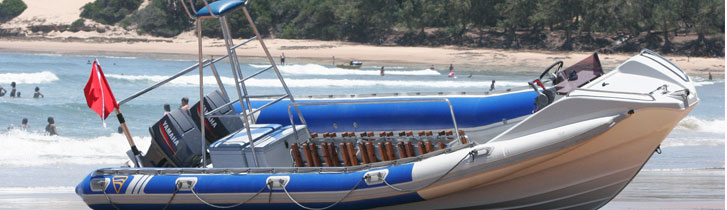
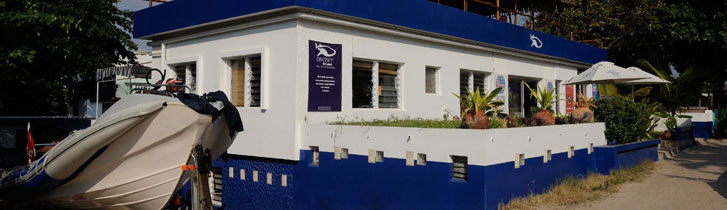
Diversity Scuba is a quality scuba dive operation offering up to 9 boat dives every day and all PADI courses from beginner (Discover Scuba and Bubble Makers for the kids) to Instructor. The Dive Centre's facilities include a large salt water training pool, shower and changing facilities, full equipment rental, tank fills, a rooftop snack, training and debriefing area, dive shop and more.
Mozambique has 2 500 kilometres of beautiful, unspoilt coastline and there are many colourful coral reefs which are host to some of the most amazing marine life the world has to offer. Tofo is certainly furtunate to have several of these.
Tofo Beach is a wonderful place to spend a holiday. There is accommodation and dining to suit any budget and a local market where one can buy fish, vegetables, bread and everything else you need. And there is a vibrant night life, with several bars. Internet access is available. Inhambane is a short drive or taxi ride away. There you can get those things that aren't available in Tofo.
Diversity Scuba has been in operation since 2000 and has a reputation second to none. Many of our divers return again and again to enjoy scuba diving and further training with us.
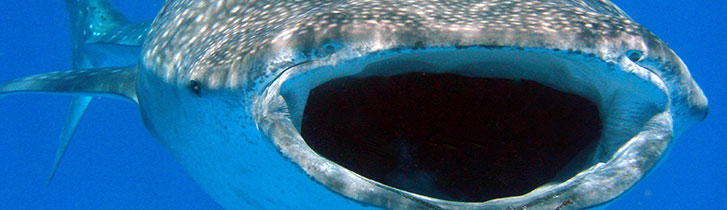
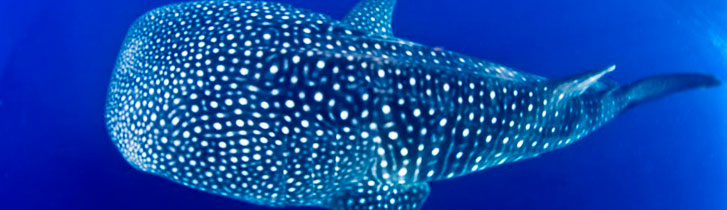
Tofo has one of the highest Whale Shark populations in the world, with all-year-round sightings and more or less guaranteed sightings through the summer months (November to April) of groups of sometimes up to 30 Whale Sharks at a time.
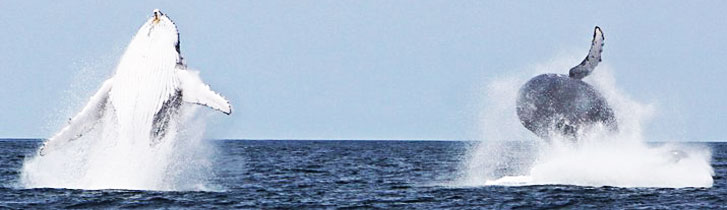
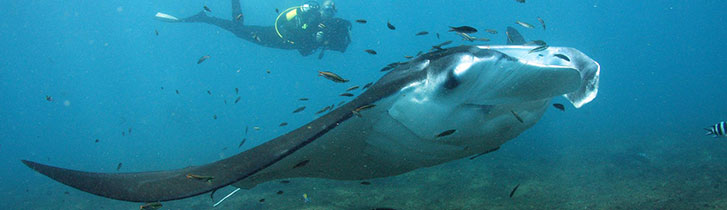
Giant Manta Rays, up to 7m across, are to be found daily on at least three of the main scuba dive sites in the area, all of which are within a 30 minute boat journey (Manta Reef being one of these sites). During the winter months, large numbers of Humpback Whales migrate along the coastline and come very close to shore in the Tofo area, and large pods of Dolphins can be seen year-round.
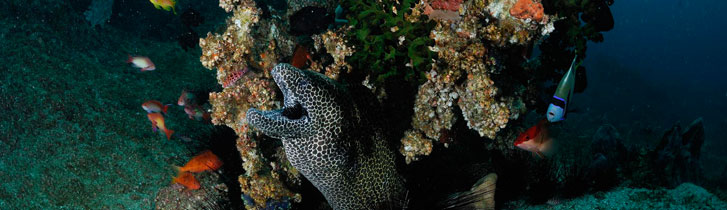
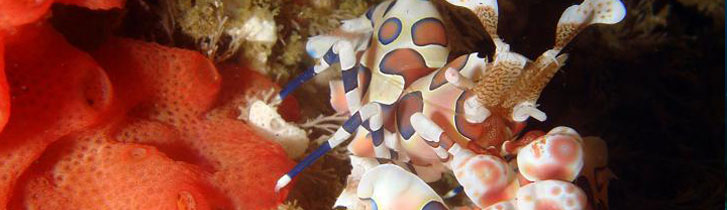
The reefs are teeming with other life including a huge diversity of fish species, nudibranchs, octopus, eels, rays, turtles and much more.
For the non-diver we also offer whaleshark snorkelling trips and whale and dolphin watching trips in season.
Come to Diversity at Tofo Beach for the best diving you can get!
Important Message for certified divers. Please remember to bring your certification card and/or log book with you when you come to dive with Diversity Scuba. We will not be able to take you diving if you have no proof of certification or experience.
Instructor Development Programmes
The Diversity Scuba team are friendly, experienced PADI professionals whose services include a full range of PADI training courses from Discover Scuba all the way to Instructor.
Our dive staff and support are professional, safety-conscious and experienced and will ensure that your Mozambique dive experience is of the highest quality. We offer a high standard of diver training in a safe, relaxed environment.
|
 About Diversity Scuba



 FullHouse